
Youyunpu Optoelectronic Tech
Name:Jenny Li
Tel:+86 19963093538
Email:jennyli0927@163.com
Address:Oulong Science and TechnologyPark,Jinma Road,Weifang City,Shandong Province,China


Name:Jenny Li
Tel:+86 19963093538
Email:jennyli0927@163.com
Address:Oulong Science and TechnologyPark,Jinma Road,Weifang City,Shandong Province,China

Source:Youyunpu Optoelectronic Tech 发布时间:2025-11-07 18:06:29
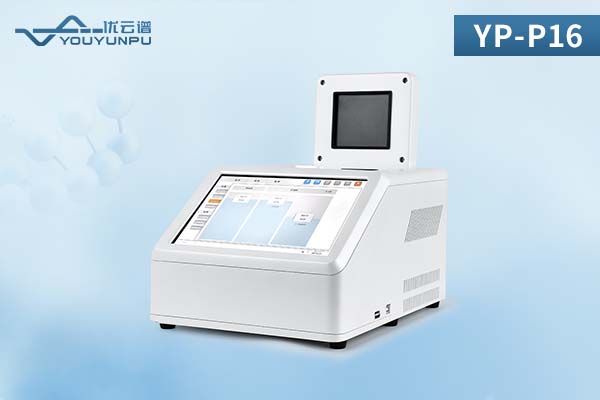
In molecular biology and modern detection technologies, real-time quantitative PCR (qPCR) detectors have become important tools for precise nucleic acid analysis. By monitoring the fluorescence signal during the PCR reaction in real time, they enable qualitative and quantitative detection of DNA or RNA, and are widely used in scientific research, medicine, agriculture, environmental monitoring, and other fields.
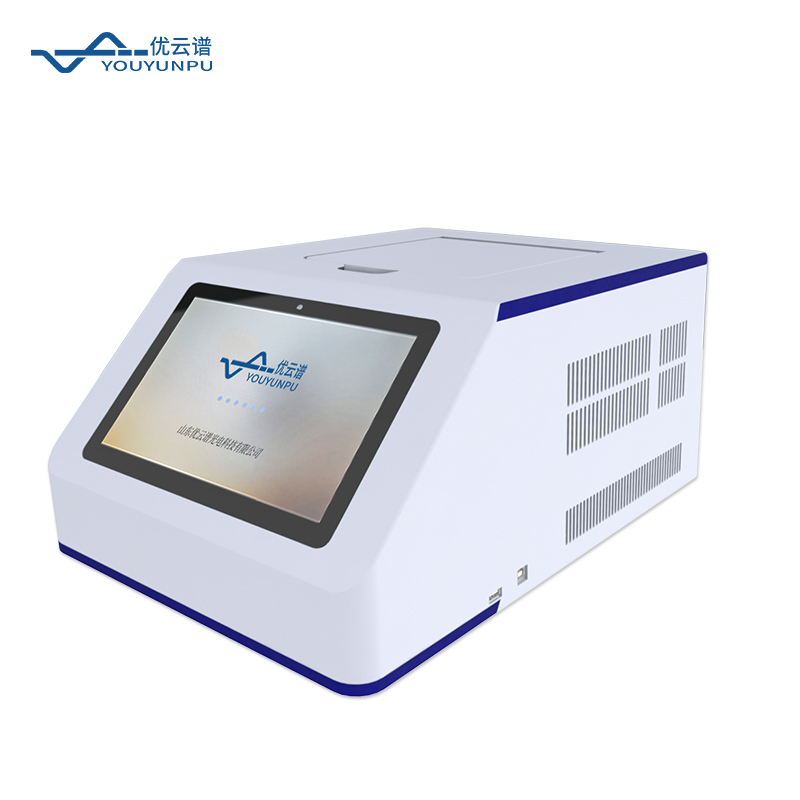
I. Working Principle of Real-Time Quantitative PCR (qPCR) Detector
The core of a qPCR detector is based on the principle of the polymerase chain reaction (PCR). This technology exponentially amplifies target DNA fragments through cycles of three stages—high-temperature denaturation, low-temperature annealing, and optimal-temperature extension—thereby amplifying trace nucleic acid signals.
On the basis of traditional PCR, qPCR incorporates a fluorescent dye or fluorescent probe system. The instrument excites and collects fluorescence signals through a light source, and records changes in the amount of reaction product after each cycle in real time. The system performs curve fitting and analysis on the fluorescence signals, which can generate melting curves, standard curves, genotyping, and quantitative results, enabling accurate data visualization and statistics.
II. Main Functions and System Features
Real-time data collection and analysis
Dynamic monitoring of fluorescence signals visualizes the experimental process. The instrument can directly output fluorescence curves and automatically generate PDF experimental reports, improving result reliability.
Efficient temperature control and optical system
Adopts a thermoelectric cooling (Peltier) system with rapid heating and cooling response. Combined with a 6-zone independent temperature control design, it achieves high uniformity and repeatability of the reaction system temperature.
Stable light source and independent fluorescence channels
The optical system driven by a constant current power supply ensures stable fluorescence signals. The multi-channel independent detection design effectively reduces crosstalk, making multiplex detection more accurate.
Multi-functional data processing
Supports multi-dimensional functions such as quantitative analysis, melting curve analysis, standard curve fitting, and genotyping, which can meet diverse needs from basic research to applied testing.
III. Application Fields of Real-Time Quantitative PCR Detector
Real-time quantitative PCR detectors play an important role in multiple fields:
Basic scientific research: used for gene expression and molecular mechanism studies;
Pathogen detection and animal epidemic monitoring: realizing rapid nucleic acid diagnosis;
Food and agricultural testing: including meat product adulteration analysis, genetically modified detection, and food hygiene and quarantine;
Drug development and medication guidance: used for efficacy evaluation and personalized medication research;
Environmental and water monitoring: detecting microorganisms or specific nucleic acid contamination in environmental samples.
IV. Summary
With real-time detection, quantitative analysis, and high sensitivity as its core advantages, the real-time quantitative PCR detector provides an efficient means for nucleic acid research and applied testing. It not only promotes the development of molecular diagnostics and biotechnology, but also provides important scientific support for food safety, environmental protection, and drug research and development.
In the future, with the diversification of testing needs and the acceleration of the automation process, real-time quantitative PCR detectors will continue to play a key role in scientific research and application fields.
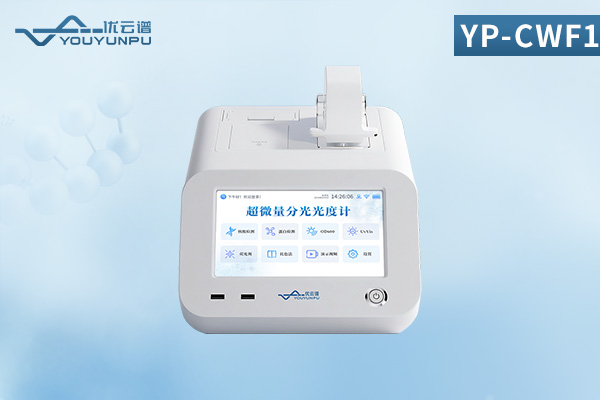
Ultra-Micro Spectrophotometer
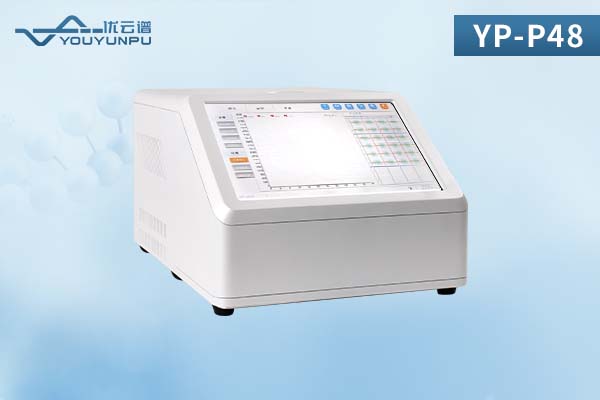
PCR Thermal Cycler
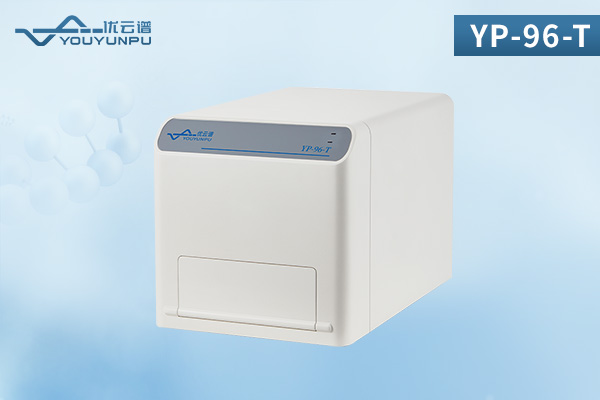
Multifunctional Microplate Reader
Fish & Shrimp Virus Detector
Full-Wavelength Microplate Reader: An All-Round Spectral Analysis Platform for Insight into the Microscopic World
2026-02-02Which brand of full-wavelength microplate reader is good? Youyunpu leads new scientific research standards with precision and efficiency.
2026-02-02Which brand is good for microbial broth concentration meters? Youyunpu D600 leads a new research experience.
2026-02-02Microbial Limit Filtration System Manufacturer Recommendation: Youyunpu Guards the Cleanliness Bottom Line of Experiments with High Efficiency and Reliability
2026-02-02Automatic Colony Analyzer: An Intelligent Solution for Modern Microbiology Laboratories
2026-02-02How Does a Real-Time Quantitative PCR (qPCR) Detector Work? Principles and Applications in One Article
2026-02-02Youyunpu Fluorescent Quantitative PCR Detector Manufacturer Analysis: How Does the Technical System Support Stable Nucleic Acid Detection?
2026-02-02Brand Recommendation for Handheld Portable Fluorometers: Youyunpu Fluorometers Enable Accurate and Rapid Detection
2026-02-02